Let Developers Lead: The Smarter Path Forward For Offshore Wind
Written by Siniša Lozo, Director of Business Development at Naver Energy


Written by Siniša Lozo, Director of Business Development at Naver Energy
Written by Adrienne Downey, Director of Offshore Wind at Power Advisory LLC.
As President of the American Offshore Wind Academy (AOWA), I express deep concern and strong opposition to the recent decision to halt construction activities on the Empire Wind I project—one of the most advanced, fully permitted offshore wind developments in the United States.
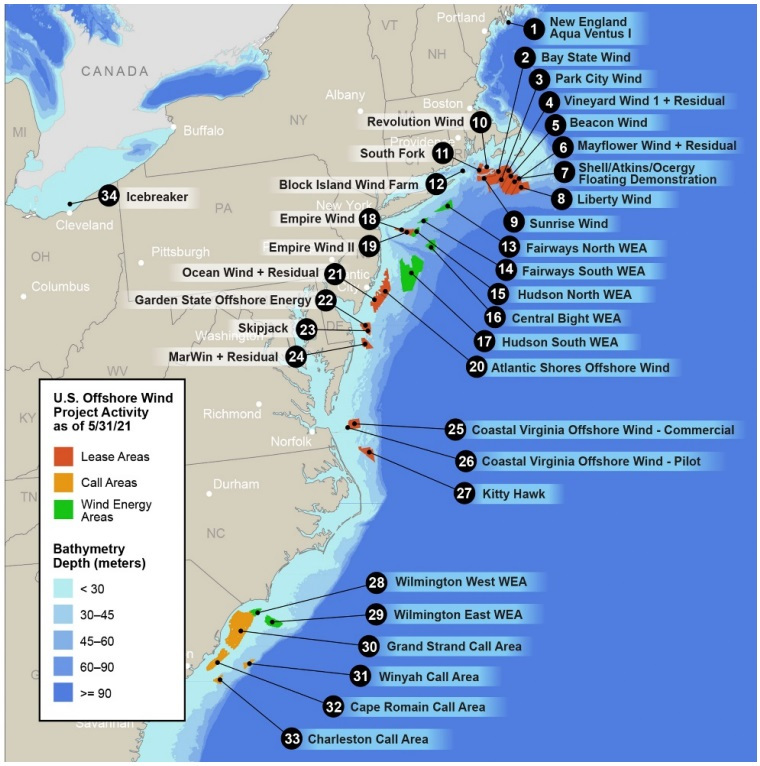
Rising costs, high interest rates, and supply chain issues have forced offshore wind companies to cancel or renegotiate contracts, while policy changes, including a presidential memorandum pausing leases, have caused project delays and financial losses. This article categorizes the current status of U.S. offshore wind projects, detailing those operational, under construction, approved, paused, or canceled, illustrating the sector’s volatile near-term landscape.
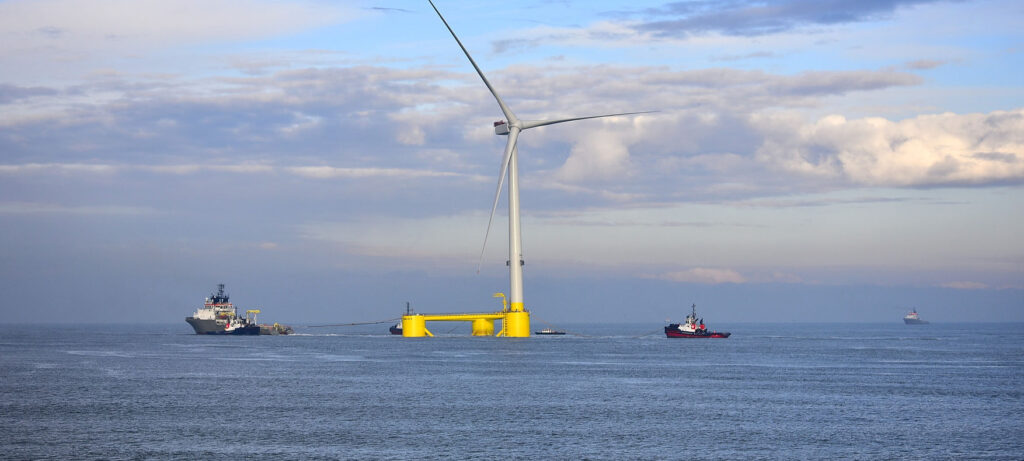
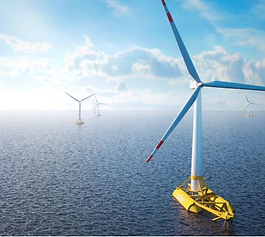
Approximately 80% of the world’s offshore wind potential lies in waters deeper than 60 meters (200 feet), a domain exclusively accessible to floating platforms. This technology therefore provides a crucial pathway to harness previously untapped energy reserves, propelling the clean energy transition. While challenges persist, the floating wind industry’s rapid advancement, fueled by innovation and investment, signals its growing recognition as a pivotal energy solution.
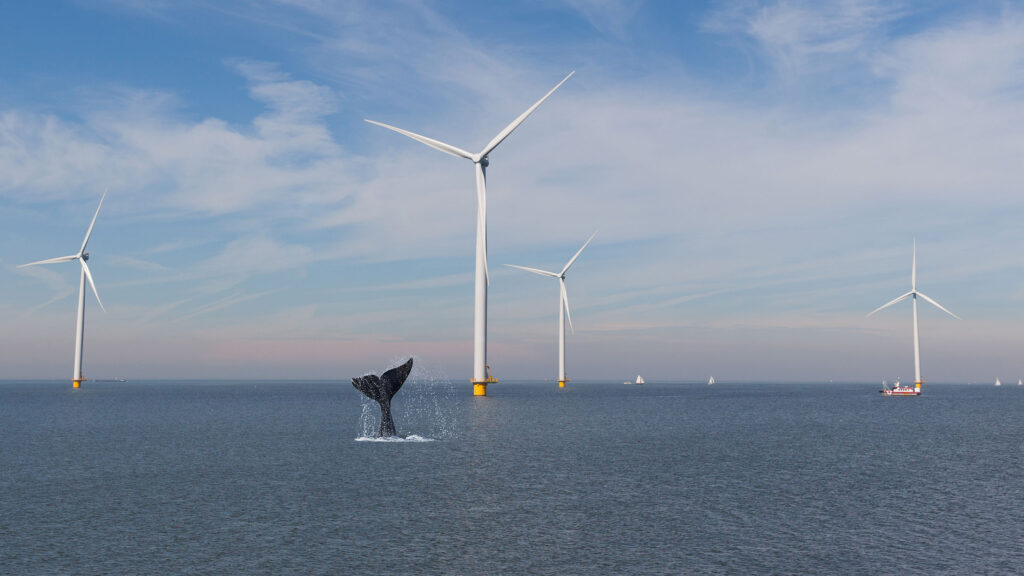
The offshore wind industry is taking concrete steps to minimize its impact on marine life. While we often hear claims that offshore wind development is responsible for increased whale mortality off of the U.S. East Coast, this is far from the truth. Recent studies tells us that the largest threat to marine mammals is vessel strikes and entanglement in abandoned fishing equipment.
AOWA is partnering with MassCEC, in developing targeted programs to empower woman and minority entrepreneurs (MWBEs) to succeed and become leaders in the clean energy space…
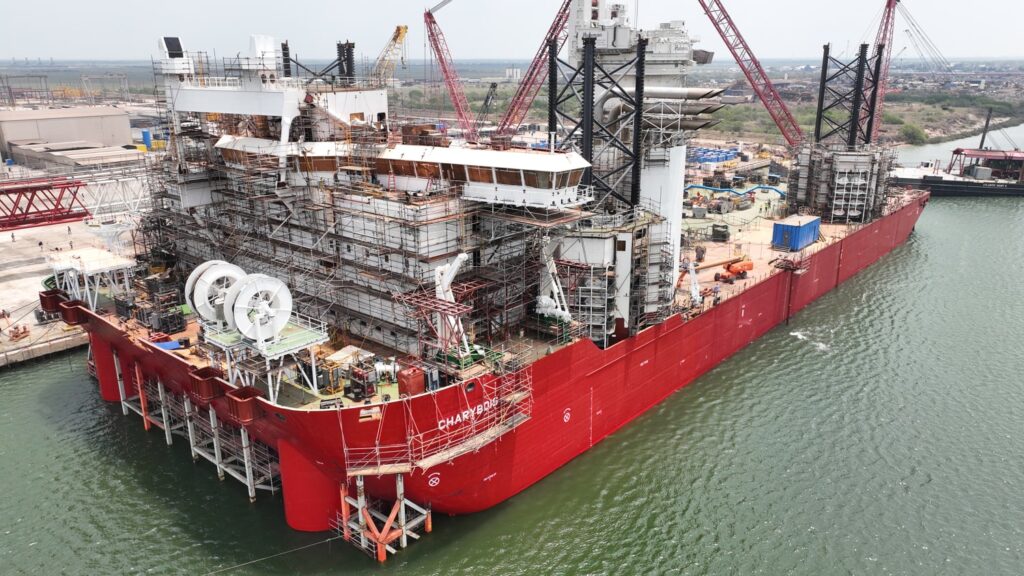
The Charybdis, the first U.S.-built wind turbine installation vessel, represents a $715 million investment in American offshore wind energy. Built in Texas, this Jones Act-compliant vessel will play a crucial role in Dominion Energy’s Coastal Virginia Offshore Wind project and future East Coast developments.
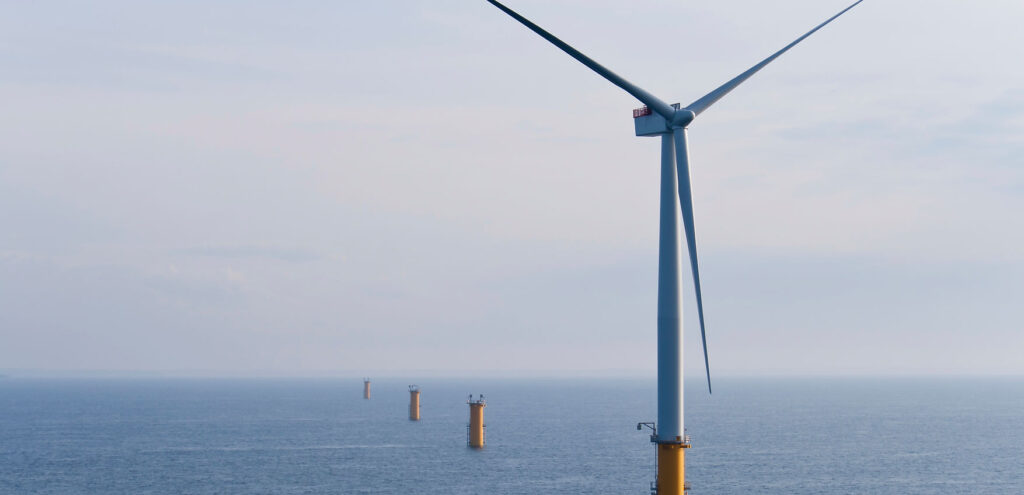
A new report from the U.S. Department of Energy (DOE) offers a roadmap for a more sustainable wind energy industry through increased recycling and reuse of decommissioned wind turbine components.
The recent executive order pausing offshore wind leasing and permitting is a serious setback to America’s growing offshore wind industry.