Taiwan’s Offshore Wind Enters Its Next Phase. Is the Industry Ready?
James McCatherin looks at a shift already underway in Taiwan’s offshore wind industry: the move from construction to operations and maintenance.

James McCatherin looks at a shift already underway in Taiwan’s offshore wind industry: the move from construction to operations and maintenance.
APAC remains one of the most exciting regions in global offshore wind. The combined ambition across Taiwan, Japan, Korea and Australia adds up to tens of gigawatts of planned capacity. But the headwinds are similar across the region: cost inflation, supply chain pressure, financing risk, and local opposition.
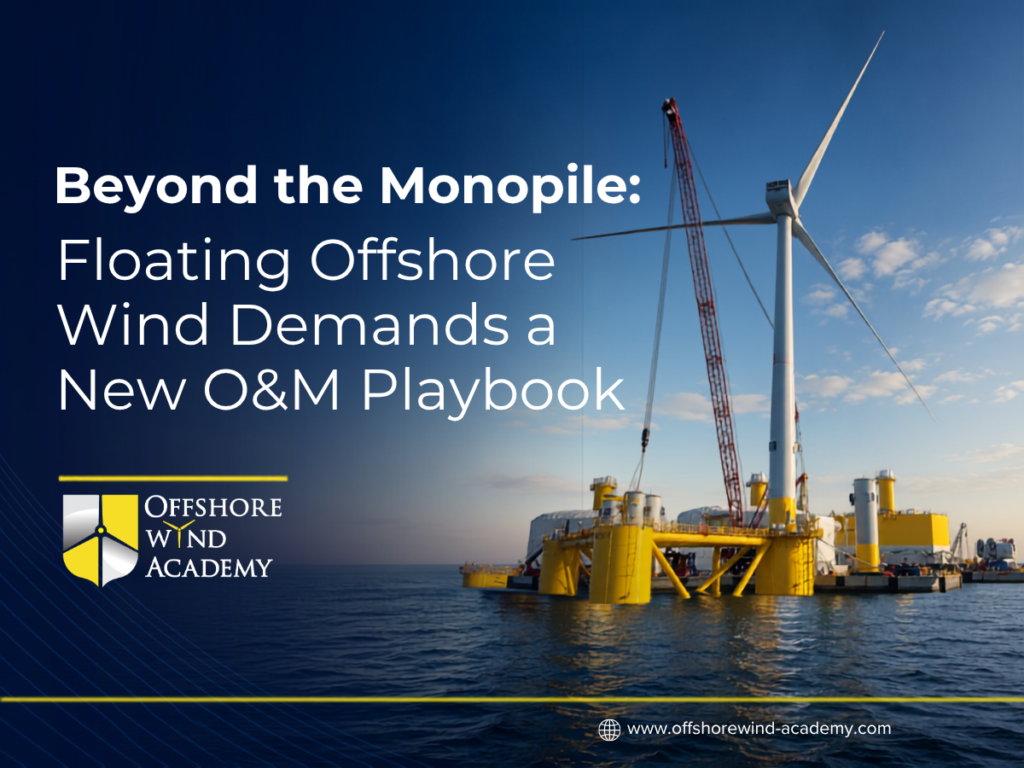
As FOW progresses from pilot projects toward commercial-scale deployment, the O&M playbook that worked at a monopile site becomes increasingly inadequate.
As offshore wind matures into a global power industry, attention is shifting from installation to what happens decades later; when turbines, cables, and foundations reach the end of their design lives. Decommissioning once felt like a distant problem, but the first generation of European offshore projects is already approaching retirement.
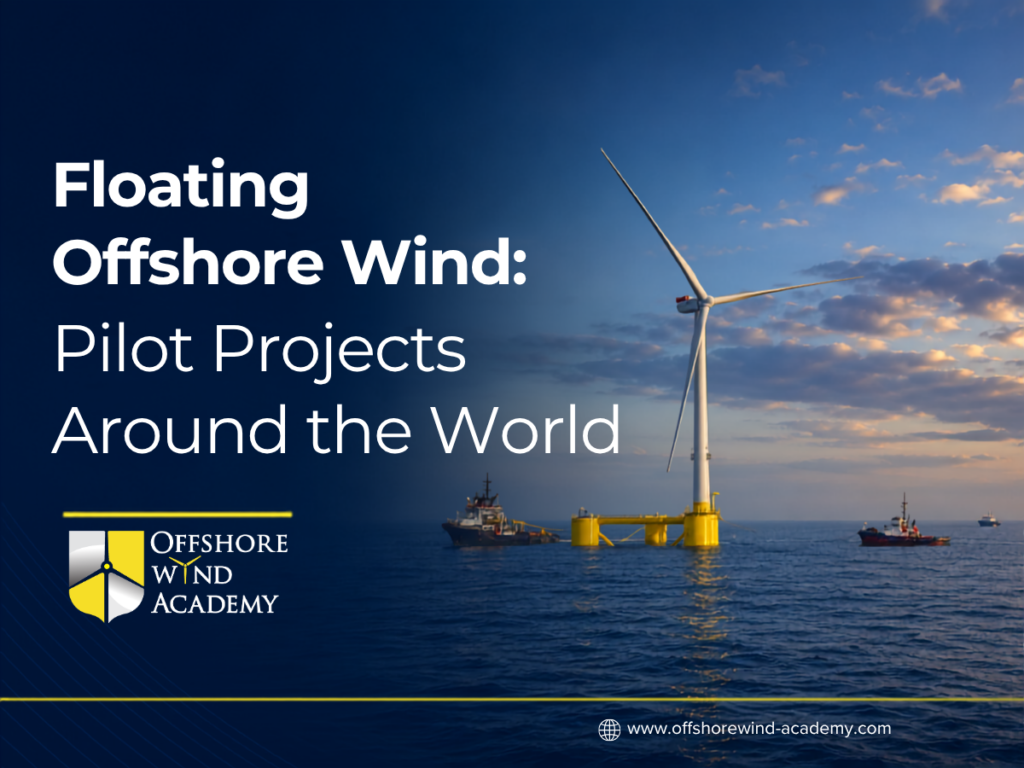
Floating offshore wind turbines represent the future of offshore power, unlocking access to vast, untapped wind resources in deeper waters, ushering in a new era of clean energy generation.
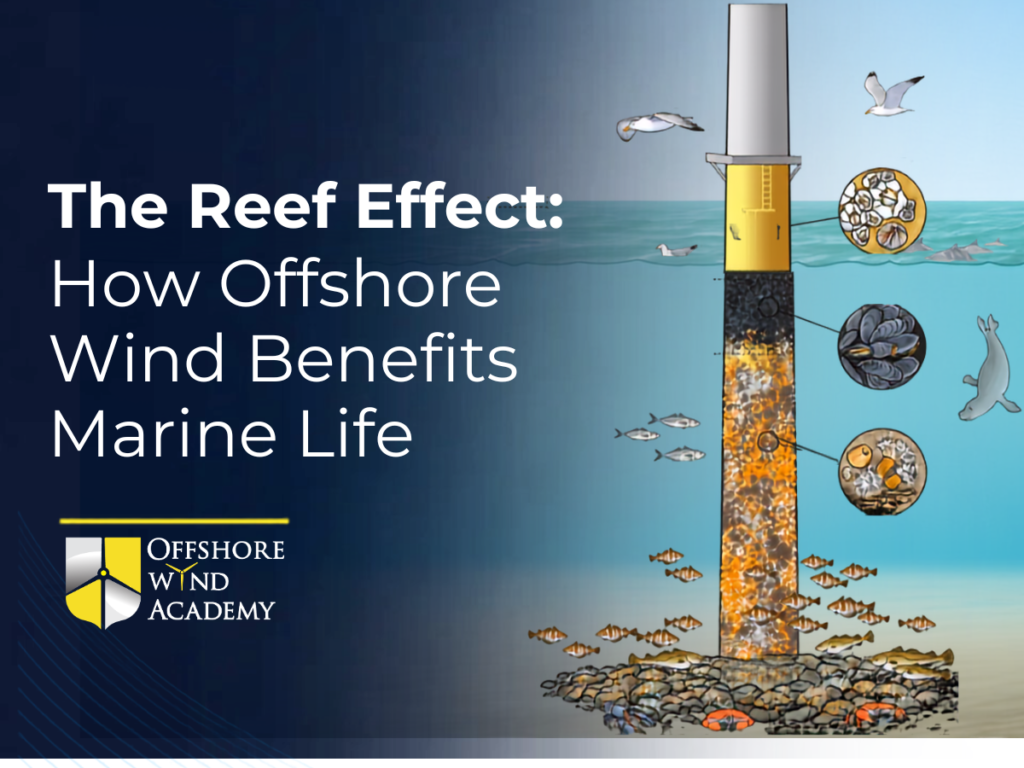
Did you know that the foundations of offshore wind turbines and their protective elements also act as artificial reefs, creating new habitats and fostering diverse marine ecosystems?
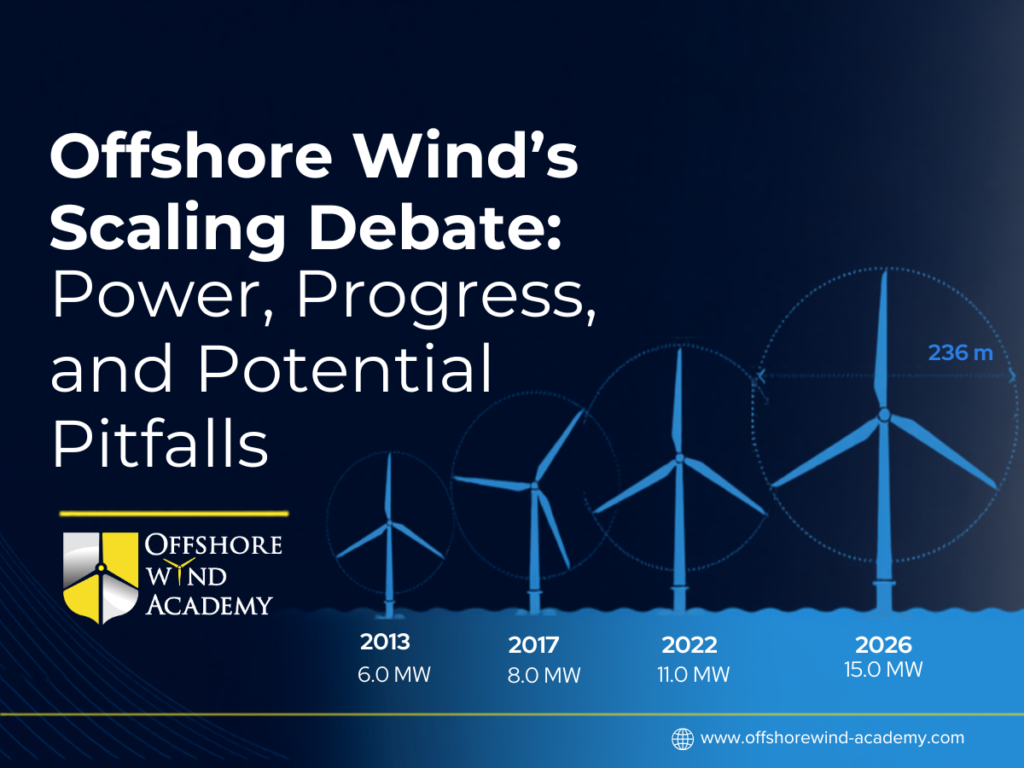
The pursuit of ever-larger offshore wind turbines reflects a powerful tension between the imperative for accelerated renewable energy deployment and the inherent complexities of scaling nascent technologies. While the promise of enhanced energy capture, reduced costs, and optimized resource utilization fuels this drive, critical questions emerge regarding technological reliability, infrastructural readiness, and supply chain resilience.
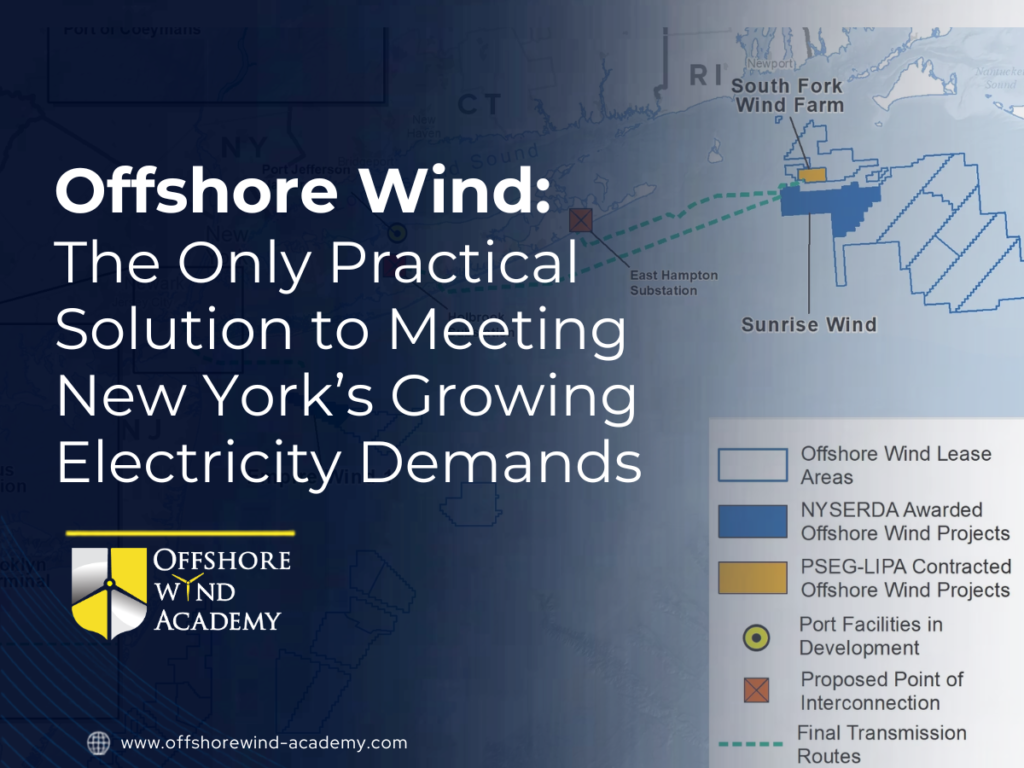
A new report from Aurora Energy Research, commissioned by the Alliance for Clean Energy New York (ACENY), concluded that offshore wind is the only viable near-term solution to address downstate New York’s escalating energy reliability concerns.
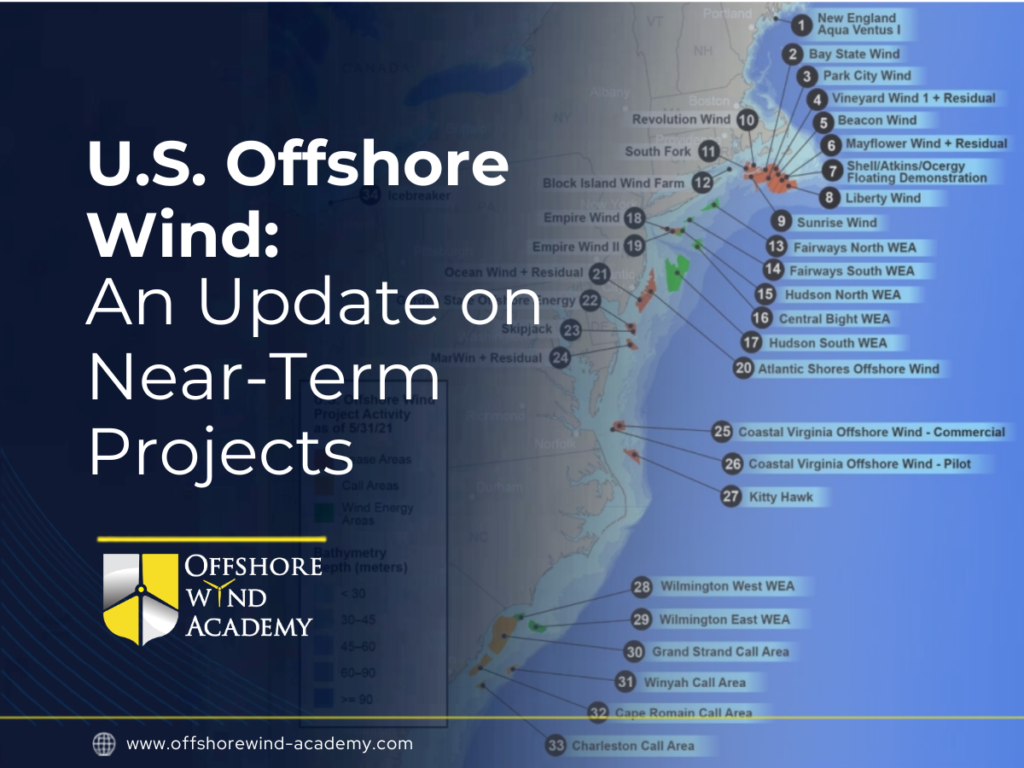
Rising costs, high interest rates, and supply chain issues have forced offshore wind companies to cancel or renegotiate contracts, while policy changes, including a presidential memorandum pausing leases, have caused project delays and financial losses. This article categorizes the current status of U.S. offshore wind projects, detailing those operational, under construction, approved, paused, or canceled, illustrating the sector’s volatile near-term landscape.
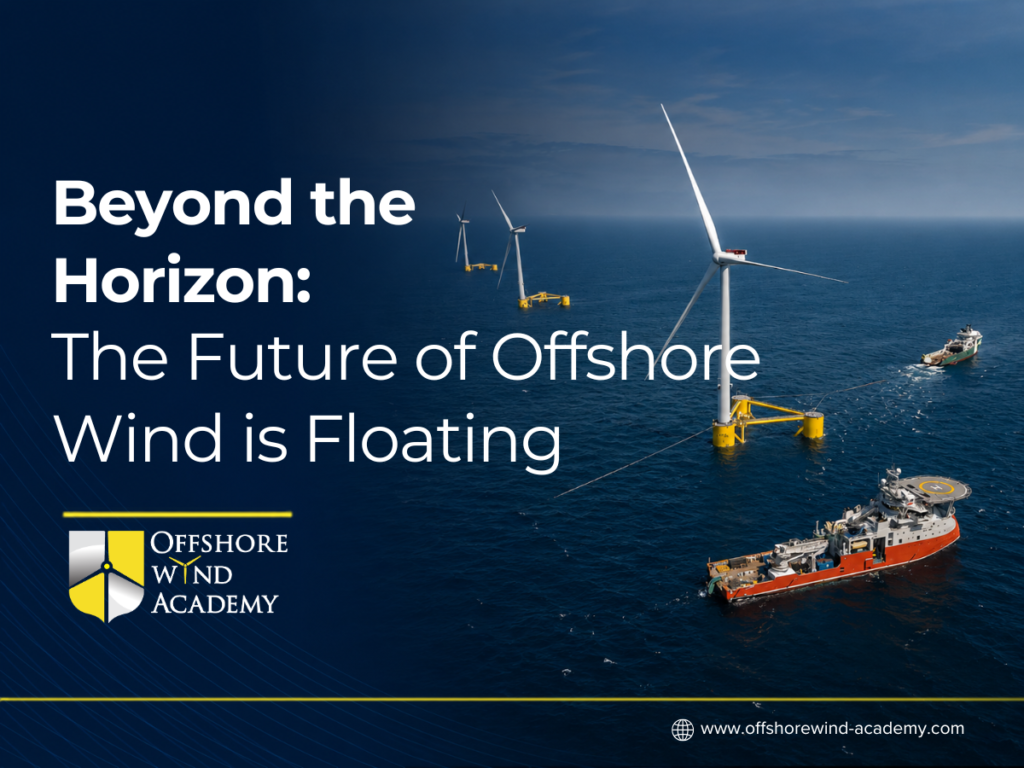
Approximately 80% of the world’s offshore wind potential lies in waters deeper than 60 meters (200 feet), a domain exclusively accessible to floating platforms. This technology therefore provides a crucial pathway to harness previously untapped energy reserves, propelling the clean energy transition. While challenges persist, the floating wind industry’s rapid advancement, fueled by innovation and investment, signals its growing recognition as a pivotal energy solution.