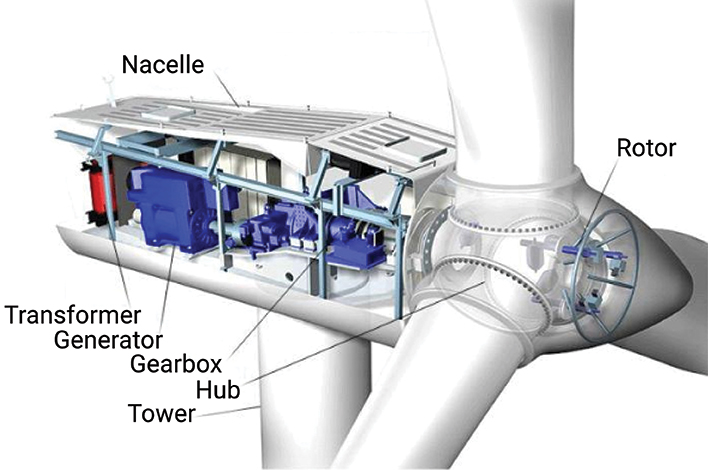
The Evolution of Wind Turbine Drivetrains: A Technical Overview
Written by: Pablo Carazo Morales – WTG Technical Lead at Iberdrola.

Written by: Pablo Carazo Morales – WTG Technical Lead at Iberdrola.
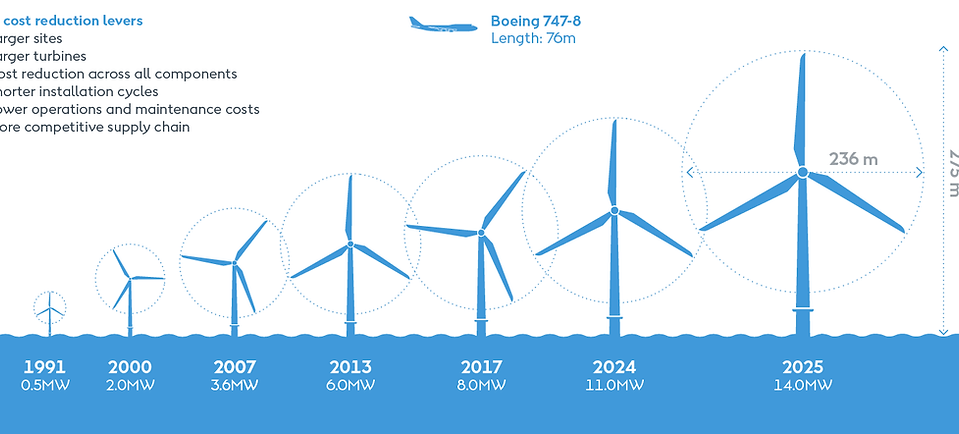
The pursuit of ever-larger offshore wind turbines reflects a powerful tension between the imperative for accelerated renewable energy deployment and the inherent complexities of scaling nascent technologies. While the promise of enhanced energy capture, reduced costs, and optimized resource utilization fuels this drive, critical questions emerge regarding technological reliability, infrastructural readiness, and supply chain resilience.
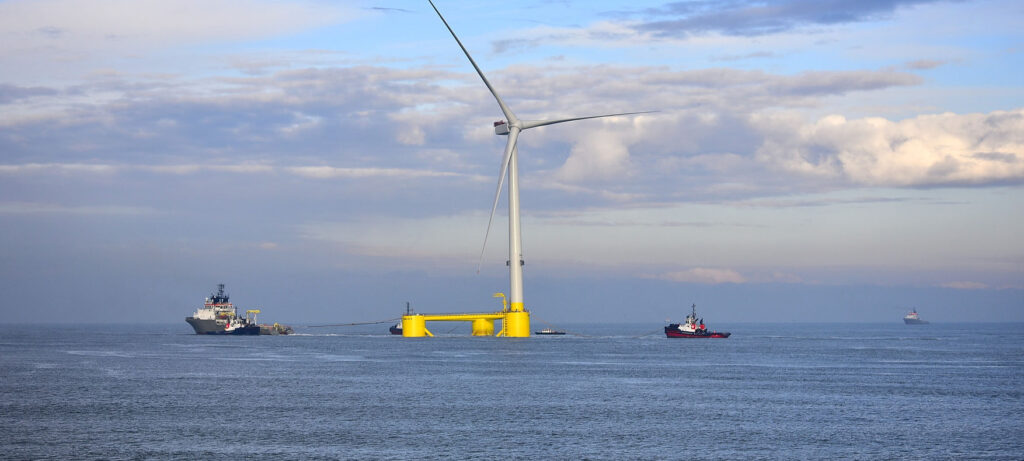
Approximately 80% of the world’s offshore wind potential lies in waters deeper than 60 meters (200 feet), a domain exclusively accessible to floating platforms. This technology therefore provides a crucial pathway to harness previously untapped energy reserves, propelling the clean energy transition. While challenges persist, the floating wind industry’s rapid advancement, fueled by innovation and investment, signals its growing recognition as a pivotal energy solution.
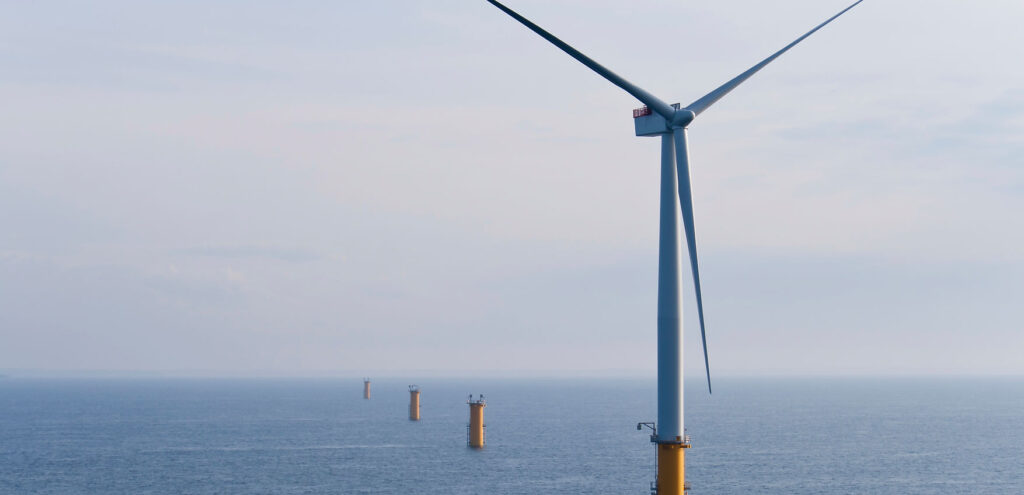
A new report from the U.S. Department of Energy (DOE) offers a roadmap for a more sustainable wind energy industry through increased recycling and reuse of decommissioned wind turbine components.